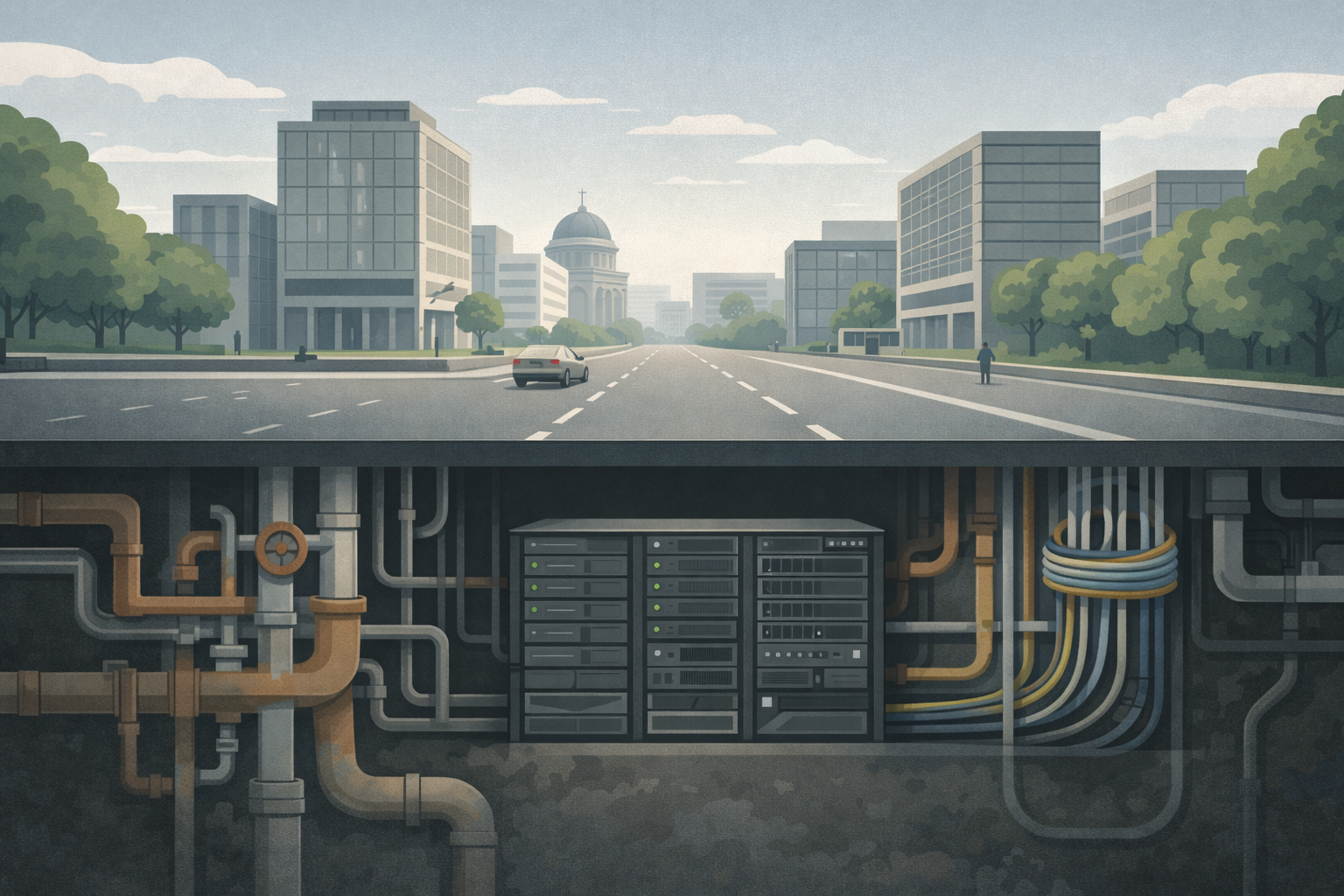
You can spend a whole afternoon making a request go from 600ms to 90ms. No new feature. No UI change. No one notices. At least, not in the way they notice a new button. But they do notice. They just don’t know what they’re noticing. They stop hesitating. They stop mistrusting the product. They stop waiting for the spinner to betray them. That feeling is backend. And I think that’s where the beauty is: in the parts that disappear.
There’s a specific kind of elegance that only shows up when everything connects. Request in. Validation. One clean query. Response out. No weird edge-case detours. No “sometimes it returns null.” No payload that looks like it was assembled in a hurry by three different teams who never spoke. Just a flow that feels inevitable. Not flashy. Just correct.
I used to describe backend as “correctness and performance.” Now I think that’s incomplete. Backend is experience, but without pixels. It’s the emotional texture of a product, shaped by boring decisions:
- does the endpoint behave consistently
- do errors come back readable
- does the system fail gracefully or explode
- does data arrive when and where it should When those answers are good, the app feels calm. Not calm because it looks calm. Calm because it behaves.
The frontend gets to do the visible magic. The backend does the quiet kind. The kind where nobody says “wow,” but everyone feels safe moving fast. And that safety is not subjective. It’s engineered. A request is valid or it isn’t. The rows are correct or they aren’t. The transaction commits or it rolls back. Backend reality has sharp edges. You can’t argue with it. That’s one reason I find it calming. There’s less “what do you think?” More “what is true?”
Constraints help too. Latency budgets. Indexes. Locking. Idempotency. Rate limits. Authorization boundaries. They look like limitations until you realize they are guardrails. They force structure. They punish cleverness. They reward boring clarity. And boring clarity is underrated. It’s how systems survive their second year.
There’s another layer people don’t talk about enough. Backend is not only for users. It’s for the next developer. Clean backend work is kindness at scale. It shows up as:
- endpoints that match each other
- payloads that don’t surprise you
- logs that actually explain what happened
- errors that read like a human wrote them
- queries that don’t turn into a crime scene under load Good backend design means you don’t leave traps. It means the system doesn’t require folklore to operate.
The funniest part is the reward. You rarely get applause. You get silence. No incident. No weird ticket. No “is the API broken?” Slack thread at 2 a.m. Just a product that feels smooth enough that people forget it’s even a system. That’s not nothing. That’s the job.
I think that’s why backend feels elegant to me. Not because it’s hidden. Because when it’s done right, it deserves to be hidden. Like plumbing. Like power lines. Like a city that doesn’t make you think about the city. You just live in it. And if no one notices, you’re probably doing it right.